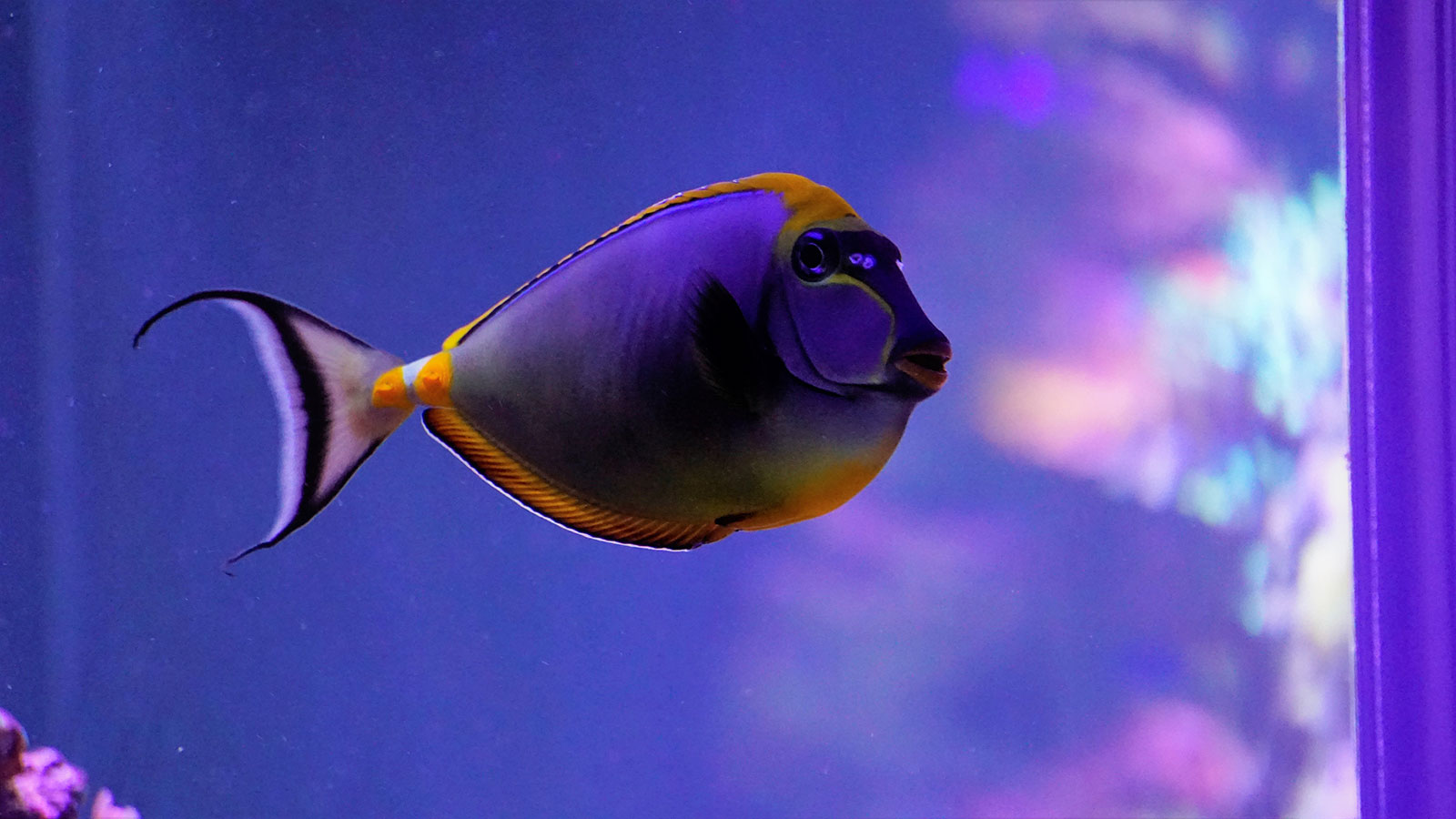
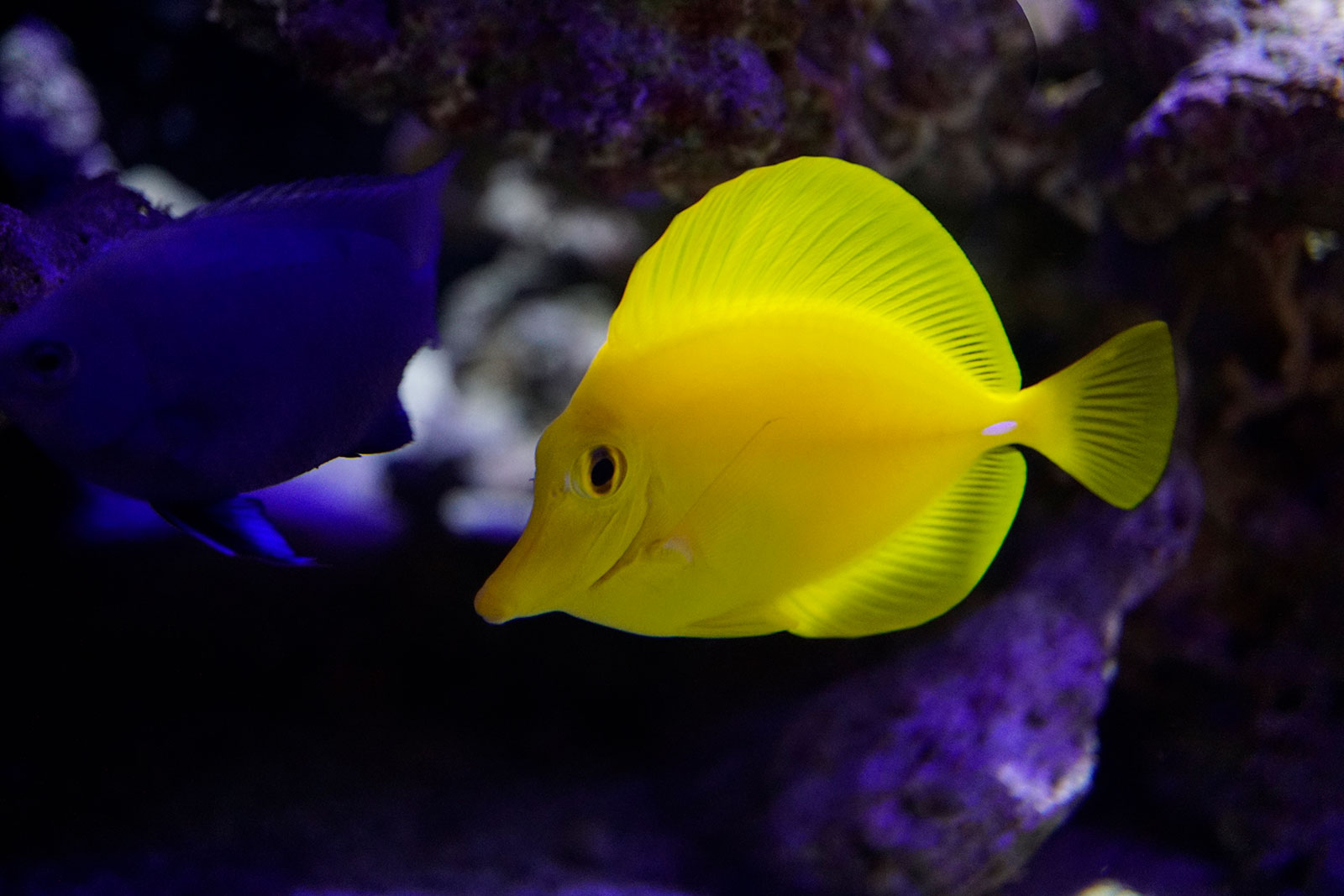
 From our perspective, the science behind aquariums and other types of living aquatic systems can be called aquarium science, but only in a very general sense. Being successful in the fish tank cleaning and maintenance business in Portland or anywhere else requires a thorough understanding of several different sciences, as we will present here.
The Sciences We Use Daily to Perform Tropical Fish Tank Cleaning in the Portland Area
As client education continues to be an essential part of our business philosophy as aquarium maintenance service professionals, we thought we’d put together one page that summarizes the many different sciences that our staff learned while earning technical degrees in Aquarium Science from the premier program in the country. We continue to learn about and apply these sciences every day. Please follow the links in each section for a more expansive explanation of many of these principles in other pages of our site. The sciences included in a typical working day of our professional aquarists include:
- Chemical science – Our clients understand that proactively managing and maintaining optimal water chemistry parameters for their fish tanks is very important. But as Portland aquarium maintenance professionals, we have to understand how these chemical processes work. For example, a when caring for a coral reef display in a home or office, we have to test and track calcium, carbonates, magnesium, pH, and some other chemical compounds to ensure that these delicate invertebrates have the right elements in the correct concentrations so that they can build the skeletons to support the growth of their colonies. Chemical science also applies to chemical filtration and many other aspects of the services we perform.
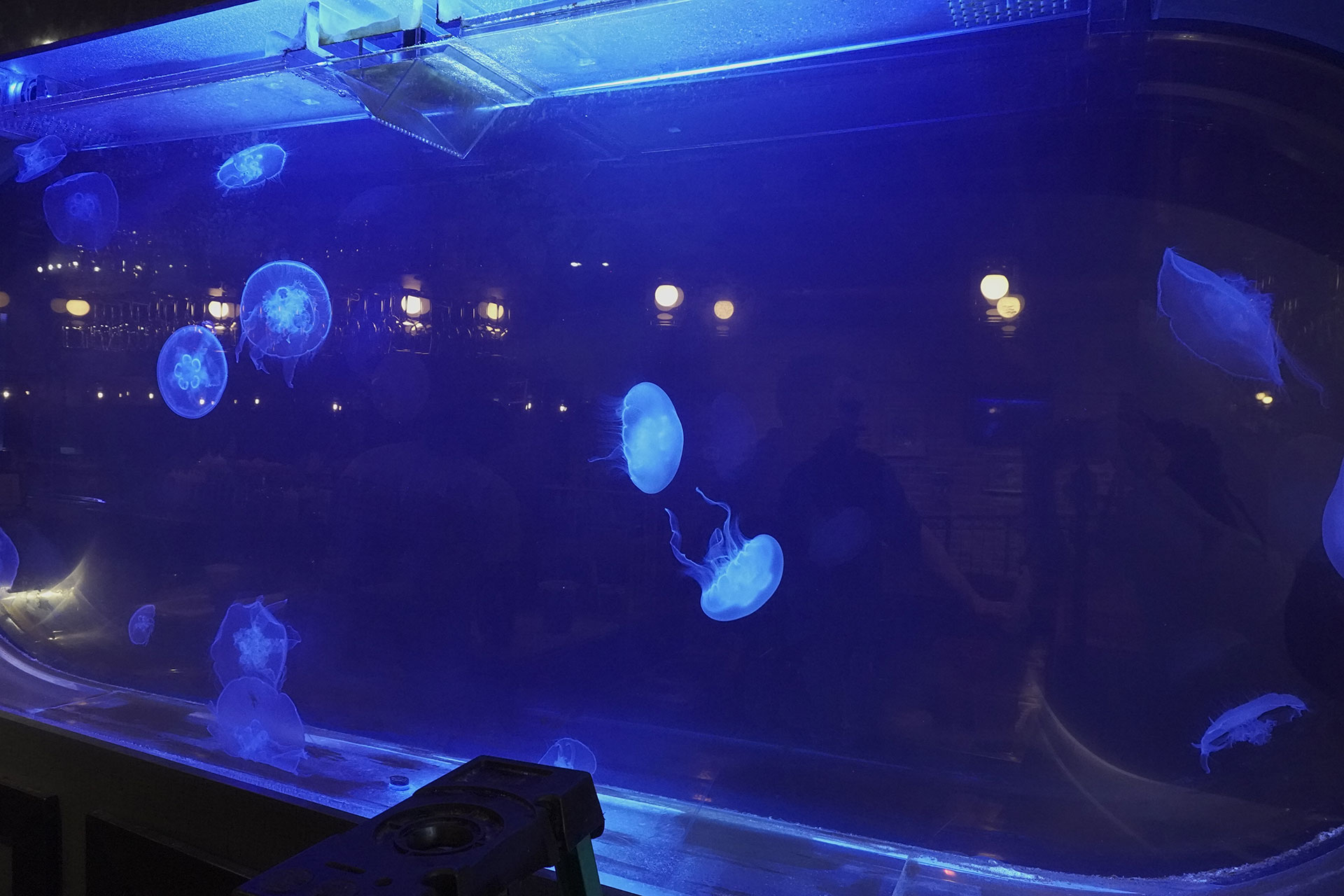
- Biological science – The understanding of biological filtration in a living system is simply foundational to aquatic animal health, but the biology doesn’t stop there for us. We also understand how the various organs and systems in this or that aquatic animal work individually and together to ensure that the color, posture, food response, and overall health of each animal is also proactively managed. Our success in providing professional care for each coral colony, tropical fish, jellyfish, and every other type of aquatic animal under our care begins with understanding the unique needs of each of these types and species of animals.
- Biochemical science – We mentioned the biochemical processes of corals above, but we also have to understand biochemistry in the tropical fish we care for, as well. For example, an overabundance of lipids in a fish’s diet, will cause the animal to store that extra energy in its liver, potentially disrupting the function of this important organ, making it harder to perform metabolic regulation, remove waste products from the animal’s blood, and other health problems. To provide another example: animals that have evolved to be grazers need plenty of proteins, carbohydrates, vitamins and minerals best provided by leafy greens in order for their organ systems to function properly.
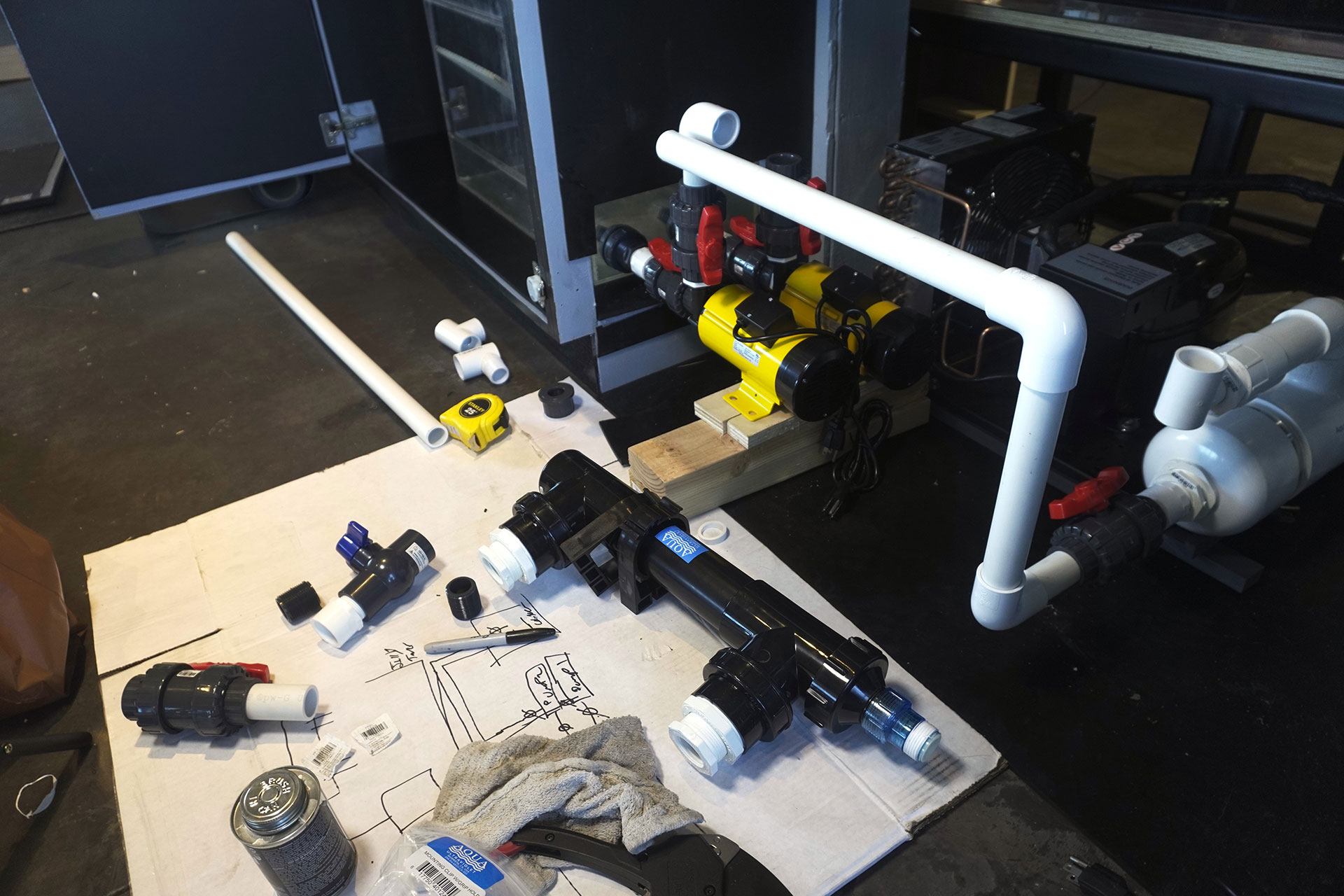
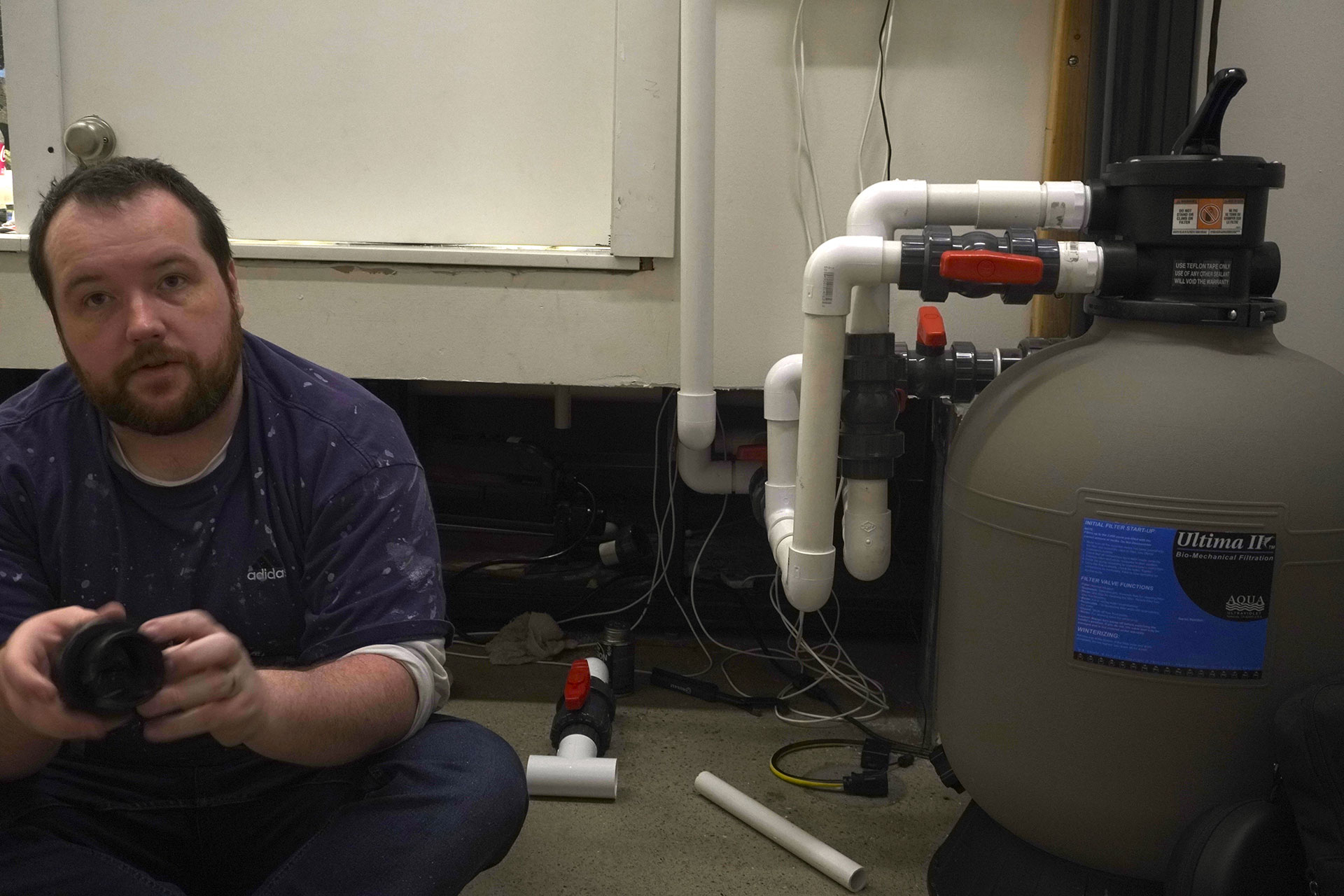
- Physical science – Without a thorough understanding of physics and fluid dynamics, we wouldn’t be able to provide our life support system design and implementation services. Each LSS project is unique, as are the space considerations for each project. We have to calculate pump outputs, total dynamic head, pipe and fitting diameters, friction of the water moving through the system, and many other aspects of physics or the systems we design and build won’t be healthy systems. As we learned over and over again while earning our degrees in the Aquarium Science Program, animal and system health begins at the design phase of any project.
- Veterinary medical science – An important aspect of the fish tank maintenance services that we provide that truly sets us apart from other Portland aquarium service companies is that our owner worked with and learned from a Certified Aquatic Veterinarian while earning his AQS degree and concurrently working at Hatfield Marine Science Center. Indeed, this fish vet taught AQS 270: Fish and Invertebrate Health Management, the capstone source for the AQS Program. Not only did we learn in his classroom; we also learned while working with him directly while caring for the animals in HMSC’s collection. From the life cycles of parasitic protozoans to various bacterial infections to how to properly sedate and gather tissue samples from an aquatic animal to all points in-between, this vast working experience was and continues to be invaluable to the aquarium maintenance services we provide for our clients. We don’t have a mobile diagnostic lab or a pathologist on staff, but we sure know how to prevent your animals from needing one if they’re under our care!
- Nutritional science – Aquatic animal health also requires an understanding of proper nutrition. As you know, each fish, shrimp, clam, coral polyp, aquatic plant, or other kind of aquatic animal needs a diet designed to promote and protect its health. This animal should get leafy greens daily or at least once per week; an overabundance of calcium in the diet will lead to the extra calcium collecting around the joints in the limbs of this animal, causing mobility problems; failing to use stabilized vitamin C when feeding these animals will result in them getting very little of this essential component of their diet; without sufficient carbonates, the nitrifying bacteria in a living system will not be able to help us maintain healthy water in a client’s system, etc.
Choose a Qualified Aquarium Scientist as Your Portland Fish Tank Service Provider
As you can see in the examples listed above, these are a lot of sciences working in combination in any healthy, thriving aquatic life support system. And a deep understanding of these sciences and how to apply them in the services we provide for our clients can make all the difference between an aquatic display that dazzles or one that looks like an afterthought. Like any professional service provider worth their salt, we have dedicated years to learning our craft. For the benefit of our clients and the joy we get performing the work we do, that makes all the difference. Interested in learning more about the sciences we use every day in the course of performing aquarium services for clients in and around the Portland area? Just ask us when we’re working on your system(s,) contact us here, or give us a call at 503-784-4403 today. We love sharing what we know with our clients!